Retaining wall blocks transcend their utilitarian origins, becoming the orchestrators of the outdoor canvas. In a seamless way, they combine aesthetics and functionality, these versatile elements have become essential elements in modern landscape design. This article explores the many benefits of retaining walls, and provides insight into how they can enhance outdoor living spaces.
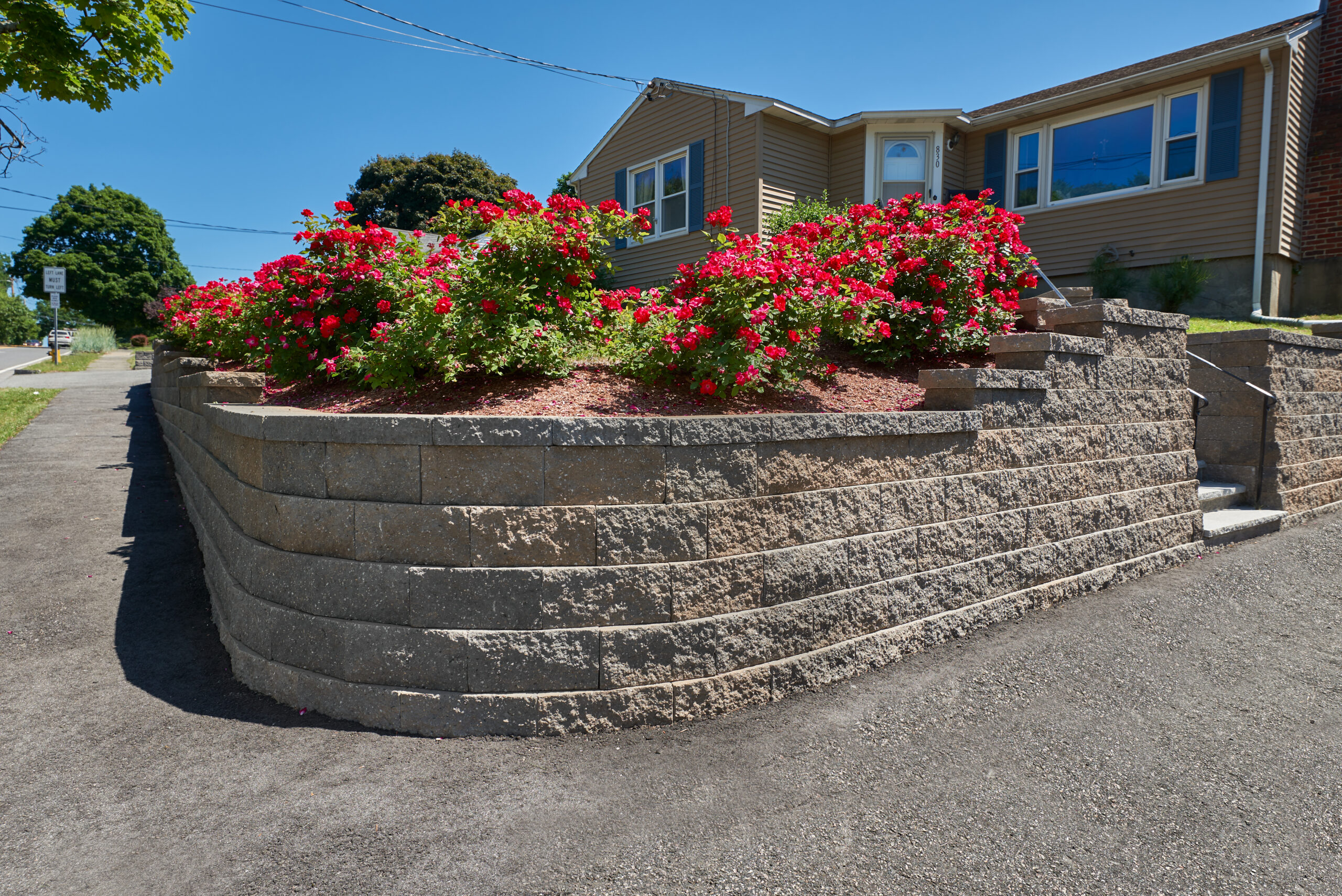
The retaining wall block is a radical departure from traditional elements of hardscape. It is available in a range of sizes, colors, and shapes. This allows property owners to express their own unique aesthetic ideas. If they are made of the raw elegance of natural stone or the hefty sway of concrete, these block offer a wide range of possibilities for design. Landscape architects consider them to be essential for creating harmonious outdoor spaces that reflect the individuality and distinctiveness of their surroundings.
Guardians of Stability: Beneath Surface Allure
Retaining walls blocks offer a myriad of benefits that go beyond their aesthetics. As custodians of the landscape the retaining wall blocks guard the landscape from erosion. These blocks offer stability to sloped or uneven terrains. They transform unbalanced landscapes into levels that can be used for peaceful outdoor living and lush gardens.
For property owners seeking to increase the height of their landscaping without breaking the bank, retaining wall blocks come out as an affordable and sensible option. They are a cost-effective option because of their easy installation and low maintenance. These blocks make impressive retaining walls. However, they also stand up to the elements, and provide long-lasting stability without losing their aesthetic appeal. For more information, click Concrete Retaining Wall Blocks
Versatile Sculptors: Defining Outdoor Living Areas
Retaining walls blocks are no longer only functional wall blocks. They’ve transformed into sculptures which define the outdoor spaces. Homeowners can design zones for different activities, like outdoor dining, lounging, or gardening by strategically integrating wall blocks for retaining. These blocks are not just functional, but also serve as design elements. They can also serve as privacy barriers or emphasize certain landscape features, such as sculpture gardens or water features.
Precast concrete landscaping blocks for retaining walls are notable for their effective stacking capacities. They can support three courses of height prior to needing geogrid reinforcement to strengthen the soil that lies behind them. To ensure greater stability and longevity when walls become taller bigger configurations are required. Meticulously designed for seamless interlocking blocks, these blocks offer an extremely solid foundation for landscaping projects. The incorporation of geo-grid reinforcements provides durability and strength and strengthens the walls of the retaining wall against the forces exerted by the soil.
The Right Block for Your Ambiance
The choice of retaining wall blocks is a carefully curated selection process that considers factors such as shape, size as well as color, texture, and in balance with the surrounding environment. Practical aspects, like height and soil retention capacity, guide the choice of retaining wall blocks. This thoughtfully selected selection not only ensures the integrity of the structure but also provides visual harmony and enhances the overall look.
Conclusion: A Symphony of Resilience
In summary, retaining wall block design is an integral part of landscape design. It contributes to durable and sustainable landscaping practices. These seemingly unassuming blocks, thanks to unlimited design options as well as their ability to stabilize and secure and define living spaces, become silent sentinels redefining outdoor space and weaving a tale of harmony and permanence across the landscape. From economic elegance to functional fortitude wall blocks, these are the masters of the natural symphony outside.


